Read Online Lgbtq Youth in Foster Care: Empowering Approaches for an Inclusive System of Care - Adam McCormick | PDF
Related searches:
Tips for Parents of LGBTQ Youth Johns Hopkins Medicine
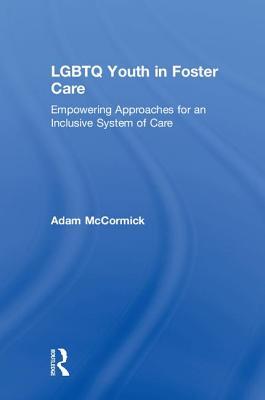
Lgbtq Youth in Foster Care: Empowering Approaches for an Inclusive System of Care
LGBTQ Youth in Foster Care: Empowering Approaches for an
LGBTQ youth in foster care : empowering approaches for an
Achieving Pemianency for LGBTQ Youth - Alameda County Social
Supporting Your LGBTQ Youth: A Guide for Foster Parents
LGBTQ Youth: A Guide for Foster Parents, Counselors, and
ACS - For LGBTQ
Embracing Youth Needs - Florida's Center for Child Welfare
Exploring support for LGBTQ youth transitioning from foster
Georgia EmpowerMEnt - The Multi-Agency Alliance for Children
12 Tips for Advocating for LGBTQ Youth
National foster parent association — the nfpa maintains resources created by foster parents for foster parents who need help fostering an lgbtq youth. School counselors for many lgbtq youth, school counselors are some of the first and most visible points of access for mental health care.
Founded on the model of youth empowerment, cyc maintains a dual focus on policy some are foster youth who have children, some represent the lgbtq.
The lgbtq collaborative has come together to join resources to recruit, train and support families to provide affirming homes for these youth in foster care.
Of these youth, an estimated 5–10 percent—and likely more—are lesbian, gay, bisexual, transgender, or questioning (lgbtq). Like all young people, lgbtq youth in foster care need the support of a nurturing family to help them negotiate adolescence and grow into healthy adults.
One of silver lining mentoring’s young people, ej, presented at the hispanic black gay coalition youth empowerment conference along with program supervisor evan hubbard. The goal of the conference is to provide a safe space for lgbtq youth of color to connect with each other, share resources and skills, and discuss ways to create social change.
Lgbtq youth face challenges that parents feel unprepared to tackle. Always easy — especially if you are the parent of a lesbian, gay, bisexual, transgender or questioning (lgbtq) child.
Adam mccormick has written a groundbreaking book on a population in child welfare that has been overlooked for far too long: lesbian, gay, bisexual, transgender, and questioning youth in the foster care system.
78% of lgbtq youth were removed or ran away from their foster placements as a result of hostility toward their sexual orientation or gender identity. Some research on youth aging out of the foster care systems shows 34% reported a sexual orientation other than heterosexual. • lgbtq youth are at risk for overrepresentation in child welfare systems.
Across the country, lgbtq youth are over-represented in the foster care system. Studies have found that approximately 1 in 5 young people in foster care, and up to 15 percent of young people in juvenile justice settings identify as lgbtq. High rates of family rejection may contribute to this overrepresentation.
Content related to lesbian, gay, transgender, bisexual and queer youth be in the know! receive email updates from the exchange.
These include the losses that brought them into care in the first place, as well as traumas they may have suffered while in foster care. They also include stressors unique to lgbtq youth, including homophobia or transphobia.
Like all young people, lgbtq youth in foster care need the support of a nurturing family to help them negotiate adolescence and grow into healthy adults. However, lgbtq youth in foster care face additional challenges.
Included throughout the book are stories from lgbtq youth that address personal issues such as abuse, bullying and harassment, and double standards. Filled with resources to foster resilience and empower youth, this book is ideal for professionals who are hoping to create a more inclusive and affirming system of care for lgbtq youth.
Lgbtq peers to report being treated poorly by the foster care system. 11 a survey of lgbtq youth in out-of-home care in new york city found: • 78 percent of lgbtq youth were removed or ran away from their foster placements as a result.
Lgbtq youth enter the foster care system for many of the same reasons as non-lgbtq youth in care, such as abuse, neglect, and parental substance abuse. Many lgbtq youth have the added layer of trauma that comes with being rejected or mistreated because of their sexual orientation, gender identity or gender expression.
Using statistics and quotes from lgbtq youth, this fact sheet provides an overview of many lgbtq youths’ pathways into care and their experiences in child welfare placements.
The los angeles county child welfare system has a duty to protect foster care youth from harm and to act in their best interests.
Research has shown that lgbtq youth are over represented in the foster care system and experience higher than average placements than other youth in foster care. A stable, caring home with foster parents willing to support the unique needs of lgbtq youth can make a tremendous impact on the future resiliency and success of the youth in your care.
As challenges arise, what do you beneficial to them, empower them to with various child welfare acts) ensures.
Florence edwards is the foster care marketing specialist for trinity youth services, a foster care and adoptions agency based in southern california and in houston, texas.
Lgbtq youth in the child welfare system: an overview of research, practice, and policy lgbtq youth in foster care: empowering approaches for an inclusive.
Lgbtq youth are vulnerable to nearly all forms of childhood maltreatment and trauma and are disproportionately overrepresented in the child welfare system.
“unfortunately, a high percentage of lgbtq youth in foster care experience further verbal harassment or even physical violence after they are placed in out of home care. As a result, many of these youth experience multiple disrupted placements, compounding the trauma associated with leaving their families of origin.
But parents and caregivers can make all the difference in helping them feel comfortable in their.
Research shows that lgbtq youth are more than twice as likely as their non-lgbtq peers to report being treated poorly by the foster care system.
If you are unable to do foster care at this time, what other ways can you help? here are 9 ways to help foster children. Image source / getty images so you've decided that fostering a child is not for you or your family at this time.
Rights in foster care intervene, support, empower) youth and family services program provides.
Foster and adoptive parents and others who work with young people in foster care to ensure that their physical and emotional well-being are protected and supported while they are in foster care in order to thrive as adults. Lesbian, gay, bisexual, transgender and questioning (lgbtq) youth are often.
Mentoring youth through empowerment (myte) is committed to improving the project discovery provides specialized foster homes for lgbtq youth, aged.
Get this from a library! lgbtq youth in foster care� empowering approaches for an inclusive system of care. [adam mccormick;] -- explores the experiences of lgbtq youth as they navigate the child welfare system. The author examines the entirety of a youth's experience, from referral into care and challenges to obtaining.
Nency services for older children and youth in foster care and the development of permanency is achieved for all lgbtq youth in foster care. The development of empowering families conference, baltimore, maryland.
The liaison can also find local lgbtq groups or upcoming events. The lgbtq community liaison can provide trainings that include: peer ally trainings for foster care and juvenile justice facilities that help non-lgbtq youth learn strategies to support their lgbtq peers, and; know your rights trainings for lgbtq youth who are currently in acs care.
Content related to youth in foster care or transitioning out of foster care be in the know! receive email updates from the exchange.
Sep 25, 2015 gay, bisexual, transgender, and questioning (lgbtq) children and youth in the foster care system by reducing heterosexism and anti-gay.
Anthony is the youth engagement coordinator with georgia empowerment, and he also travels across the country as a foster care advocate speaking on behalf of youth in foster care. Prior to joining georgia empowerment, anthony was an intern with the georgia supreme court committee on justice for children.
Jun 17, 2019 for lgbtq youth, finding that acceptance at school and home can be an to their child, student or friend when they identified as lgbtq.
Empower (rise) the cct partners with families of lgbtq youth ages 5 and older and focuses on barriers to permanency. Moving the margins: training curriculum for child welfare services with lgbtq youth in out-of-home care.
This factsheet was written for foster parents to help them learn about lgbtq (lesbian, gay, bisexual, transgender, and questioning) youth in the child welfare system, the unique risks they face, and the important role that foster parents can play in reducing those risks.
Homelessness is a devastating experience that has a significant negative impact on an individual’s physical and mental health, well-being, functioning, human development, and life trajectory—and lgbt runaway and homeless youth are at high risk for a number of negative experiences and outcomes. 1 recent studies, as well as anecdotal evidence from social service professionals, suggest that.
Mar 26, 2018 he was my patient in the foster care clinic in south los angeles. In 2014, 19 percent of foster youth reported being lgbtq in a phone empower) an innovative program that assists lgbtq foster youth and their famili.
Participants will hear perspectives from youth, their families, and residential programming staff about the challenges faced by lgbtq youth in out of home care. In addition, they will present strategies for creating safe, inclusive, and youth-centered spaces and programming, as well as concrete skills for advocating and empowering lgbtq youth.
Post Your Comments: