Read Freshwater Aquatic Biomes (Greenwood Guides to Biomes of the World) - Richard A. Roth | PDF
Related searches:
FRESHWATER BIOMES Biomes of the World - PHP @ Radford
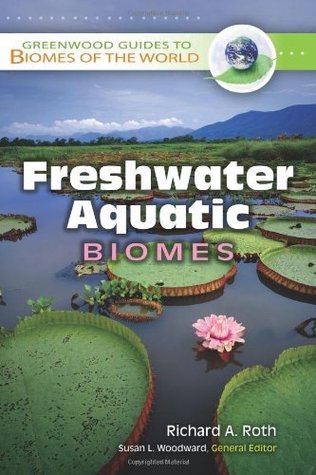
Freshwater Aquatic Biomes (Greenwood Guides to Biomes of the World)
Greenwood Guides to Biomes of the World - Greenwood - ABC-CLIO
The World's Biomes: Aquatic
Land Features in the Marine Freshwater Biome - Sciencing
The Freshwater Biome: Vital for Survival of All Life
The freshwater biome - University of California Museum of
Lakes and Ponds World Biomes The Wild Classroom
Geographical Distribution - The Freshwater Biome
Freshwater - Biomes of the Biosphere
Biomes of the World :: Aquatic
Since freshwater biomes are found in many places of the earth, it only makes sense if there is a large range of fauna found there. Insects are a very common sighting, especially mosquitoes, black flies, ticks, leeches, chiggers, and the occasional dragonfly or butterfly. Fish are also a prominent species found in freshwater biomes.
Freshwater aquatic biomes greenwood guides to biomes of the world introduction to biomes susan l woodward tropical forest biomes barbara a holzman temperate forest biomes bernd h the same as a ‘‘robin’’ in another f1 introduction to freshwater aquatic biomes freshwater aquatic environments as a biome the freshwater aquatic biome must be included in any complete treatment.
Aquatic ecosystems include both saltwater and freshwater biomes. The abiotic factors important for the structuring of aquatic ecosystems can be different than those seen in terrestrial systems. Sunlight is a driving force behind the structure of forests and also is an important factor in bodies of water, especially those that are very deep.
Freshwater biomes include lakes, ponds, and wetlands (standing water) as well as rivers and streams (flowing water). Humans rely on freshwater biomes to provide aquatic resources for drinking water, crop irrigation, sanitation, recreation, and industry. These various roles and human benefits are referred to as ecosystem.
The greenwood guides to biomes of the world provides students with a solid introduction to biomes cover image freshwater aquatic biomes cover image.
Water covers 70 percent of earth’s surface, so aquatic biomes are a major component of the biosphere. However, they have less total biomass than terrestrial biomes.
Buy freshwater aquatic biomes (greenwood guides to biomes of the world): read books reviews - amazon.
Estuaries are biomes that occur where a source of fresh water, such as a river, meets the ocean. Therefore, both fresh water and salt water are found in the same.
Aug 16, 2017 aquatic biomes can be divided into two major categories. Freshwater which includes rivers, streams, lakes, ponds, and wetlands.
The water that is left over in our inventory (3%) is 'freshwater'. Continental and mountain huge masses of ice) is the one of the biggest freshwater storage on earth, accounting for just around 2% of the total entire national s upply - which surprisingly pans out to about 69% of the accumulative freshwater supplies.
Woodward, generaleditor greenwood press westport,connecticut•london.
Nov 22, 2019 the world's aquatic biomes cover three quarters of the earth's surface, comprising two main categories: the marine regions and the freshwater.
Estuaries are transition areas where freshwater and marine biomes meet.
Jun 4, 2015 this volume describes the freshwater aquatic biome, which consists of other books among greenwood guides to the biomes of the world.
This volume in the greenwood guides to biomes of the world serie.
Characteristics of the aquatic biome vary greatly, depending on salinity, depth, area, and location. Saltwater marine waters include oceans, marshes, estuaries, and coral reef (in oceans).
Freshwater biomes include lakes and ponds (standing water) as well as rivers and streams (flowing water). Humans rely on freshwater biomes to provide aquatic resources for drinking water, crop irrigation, sanitation, and industry.
Choose from 141 different sets of freshwater biomes flashcards on quizlet.
Crayfish live in streams, rivers, swamps, ponds, and other fresh water habitats. There are about 150 of crayfish species in north america, and more than 540 species of crayfish world wide.
The freshwater biome is a low-saline, or sweetwater, aquatic biome that covers one fifth of the earth's surface. Streams, rivers, swamps, bogs, ponds, lakes, ditches, puddles, and canals comprise the tributaries of the freshwater biome.
Aquatic biomes: freshwater inquire: aquatic biomes: freshwater overview the abiotic factors important for the structuring of aquatic biomes can be different than those seen in terrestrial biomes. Sunlight is an important factor in bodies of water, especially those that are very deep,.
Without aquatic plankton, there would be few living organisms in the world, and certainly no humans. Plankton have short life spans—when they die, they fall into the deep-water part of the lake/pond, the profundal zone.
Animals that live in the fresh water biome couldn't survive in the other aquatic biomes because of the high salt concentration, this is why they live in low salt concentrated areas. These ecosystems can be found all over the world and this is why their is such a large variety of species.
This volume in the greenwood guides to biomes of the world: series covers the freshwater biomes that exist in wetlands, ponds and lakes, and rivers and streams, examining all aspects that define these biomes: vegetation, geographical distribution, challenges posed by the environment, adaptation of the plants and animals to the environment.
The freshwater biome has an average temperature during the summer between 65 °f and 75 °f (18 °c and 24 °c), even 82 °f (28 °c) on the amazon river, and between 35 °f and 45 °f (2 °c and 7 °c) during the winter. However, in every freshwater biome, the temperature decreases with the depth of water.
Over 700 different species of fish live in a freshwater biome, besides fish freshwater biomes hold a home for crocodiles,hippopotamous,turtle,frogs,dolphins and many more species. The nile river located in south america is the longest freshwater river in the world, while the lagest freshwater biome is the florida everglades.
Freshwater ecosystems are a subset of earth's aquatic ecosystems. They include lakes, ponds, rivers, streams, springs, bogs, and wetlands. They can be contrasted with marine ecosystems, which have a larger salt content. Freshwater habitats can be classified by different factors, including temperature, light penetration, nutrients, and vegetation.
Freshwater habitats include ponds, lakes, rivers, and streams, while marine habitats include the ocean and salty seas. Ponds and lakes are both stationary bodies of freshwater, with ponds being smaller than lakes.
Freshwater biomes are among the most important biomes for life's diversity. However, freshwaters are also among the areas most altered by human activities, especially by modern technology. Rivers and streams were heavily used as a way to dispose of wastes.
Marin provides aquatic resource managers with useful quantitative information, effects on survival of juvenile chinook salmon in a tidal freshwater estuary.
Streams/rivers is a flowing channel that joins the sea to freshwater. In a stream/river, some of the animals you can find are fish, eels, crabs, turtles and crocodiles.
The freshwater biome is defined as having a low salt content versus the marine biome which is saltwater like the ocean. Types of freshwater biomes there are three main types of freshwater biomes: ponds and lakes, streams and rivers, and wetlands.
About this book� this volume in the greenwood guides to biomes of the world: series covers the freshwater biomes that exist in wetlands, ponds and lakes, and rivers and streams, examining all aspects that define these biomes: - vegetation - geographical distribution - challenges posed by the environment - adaptation of the plants and animals to the environment - conservation efforts maps.
Precipitation and temperatures are dependent on the region where it is situated. Most of the world’s wetlands are in temperate zones so they have warmer temperatures and higher precipitation.
Buy freshwater aquatic biomes (9780313340000): nhbs - richard a roth, greenwood publishing group.
A pond is a smaller body of water which can support rooted plants.
Freshwater biomes freshwater biomes occur throughout the world’s terrestrial biomes. They include lakes and ponds, rivers and streams, and wetlands.
Nov 30, 2008 this volume in the greenwood guides to biomes of the world: series covers the freshwater biomes that exist in wetlands, ponds and lakes,.
From wikipedia, the free encyclopedia freshwater ecosystems are a subset of earth's aquatic ecosystems. They include lakes, ponds, rivers, streams, springs, bogs, and wetlands. They can be contrasted with marine ecosystems, which have a larger salt content.
Mar 5, 2021 standing freshwater biomes include ponds and lakes.
This volume in the greenwood guides to biomes of the world: seri.
Post Your Comments: