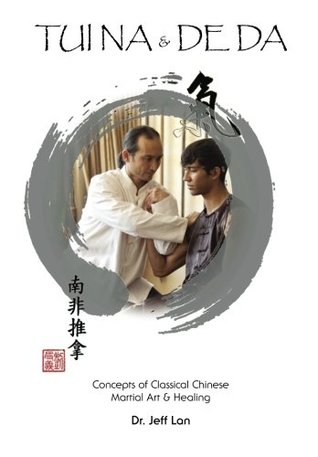
Download Tui Na & De DA: Concepts of Classical Chinese Martial Arts & Healing - Dr. Jeff Lan | ePub
Related searches:
Deze website gebruikt cookies om het effect van advertenties via google te meten en om statistieken te maken zodat we de gebruikservaring kunnen verbeteren.
Tui na helps to restore proper movement to the qi and the blood to alleviate pain, stiffness, and reduced motion of the joints. Tui na is often used at the end of treatment to reinforce the acupuncture that was performed. However, it can also be used before needles are inserted to activate channels to enhance the effect of the needle acupuncture.
Tui na (ook wel aangeduid als tuina) is een chinese vorm van massage. Tui na behoort tot de traditionele chinese geneeskunde en wordt al duizenden jaren.
Na een opleiding tuina therapie ben je gediplomeerd therapeut en kan je, op basis van een goede diagnose, een gerichte tuina-behandeling geven.
Le tui na est ancré dans la coutume chinoise depuis des siècles. Des analyses ont montré qu’il était utilisé pour soigner les enfants et troubles de la digestion chez les adultes. Le premier programme de formation en tui na est mis en place en 1950 en chine. En occident, la pratique du tui na n’est pas encore très répandue.
Understanding tui na massage and how it affects prenatal health. Pregnancy is a beautiful and exciting time in a woman’s life, but sometimes this transformation can cause discomfort, stress, and a depletion of a woman’s body and energy. As the baby grows it can begin to demand more energy and blood than the mother can produce.
Nǎ]; chinese: 推拿) is form of alternative medicine similar to shiatsu. As a branch of traditional chinese medicine it is often used in conjunction with acupuncture, moxibustion, fire cupping, chinese herbalism, t'ai chi or other chinese internal martial arts, and qigong.
6 juli 2020 bij een chinese tui na massage draait het om opheffen van (energetische) blokkades.
Tuina (also known as tui na) is a type of alternative therapy long used in traditional chinese medicine, a form of alternative medicine that originated in china. Tuina involves the use of several types of bodywork, including massage and acupressure.
Tui na wellness level 1 certification may 16 - 21, 2021 sunday - friday, 9am-4pm class limit is 5 training location: 1214 fraser pine blvd. Sarasota, florida a hands on tui na training course for beginners and experienced practitioners.
Nǎ]; chinese: 推拿) is form of alternative medicine similar to shiatsu� as a branch of traditional chinese medicine it is often used in conjunction with.
17 apr 2019 tuina or tui-na (pronounced twee-nah) massage originated in ancient china and is believed to be the oldest system of bodywork.
Tui na (also called tui-na or tuina massage) is a form of bodywork based on the principles of traditional chinese medicine (tcm). Working along meridians (energy channels) throughout the body, the tui na practitioner taps into these energy points, using stretches, pressure points, and joint rotations, to balance the body’s vital energy (qi).
To a westerner, tui na is the form of asian bodywork most closely resembling conventional western massage. Many of the techniques are similar — gliding (known as effleurage or tui), kneading (petrissage or nie), percussion (tapotement or da), friction, pulling, rotation, rocking, vibration, and shaking.
Tui-fa pushing, na-fa pulling, and ji-fa beating invigorate the collaterals. Gun-fa rolling, dou-fa shaking, and yao-fa rocking smooth the tendons and joints.
Tui na (pronounced “tway-nah”) is traditional chinese medicine bodywork; it is where shiatsu massage has its roots. Tui na traditionally involves muscle manipulation, bone-setting, and restoring range of motion to heal the body in addition to acupuncture.
Tui na, (pronounced “twee na”) is a deep tissue chinese massage, and is a fundamental part of traditional chinese medicine (tcm), along with acupuncture, acupressure, chinese herbs, cupping, moxibustion, tai chi and qi gong. Tui na is used in many hospitals in china as the first and only choice of healthcare.
Tui na is a form of asian bodywork that uses touch to balance the body’s energy. If you enjoy receiving swedish-style bodywork, you’ll love tui na massage. Tui na (pronounced tway-nah) offers all the benefits of traditional western massage, plus the ability to address and mitigate specific health concerns.
Tui na is a type of asian bodywork bearing a resemblence to western massage techniques. It includes many hand movements and body manipulations that are similar to those used in swedish massage, including gliding, vibration, kneading, percussion and petrissage.
Tuina therapie is één van de behandelmethodes in de chinese geneeskunde.
Tui na does not simply work on the muscles, bones, and joints. As the practitioner senses the client’s body with her hands, she is able to assess the distribution of energy and affect its flow. Tui na is designed to prevent problems, not just correct them.
I saw first hand, as a special needs teacher, the remarkable effects it had on calming children’s symptoms of discomfort. As a tui na practitioner, i will first assess your general state of health, take your pulse and observe your tongue as in acupuncture treatment.
Tui na is een massage vorm die gebaseerd is op traditionele chinese geneeswijze (tcg).
Tui na is an integral part of tcm and is taught in tcm schools as part of formal training in oriental medicine. Tui-na’s chinese origins lie some two thousand years ago with the advent of the canonical texts huang di nei jing (a classical text we still study in california) and huang di qi bo anmo jing.
Stap voor stap tui na isbn 9789023010203 direct en eenvoudig te bestellen bij boekhandel de slegte.
Tui na, also called chinese medical massage, is a traditional hands-on manipulation treatment method guided by tcm theory. Through manual manipulations, tui na is used widely to treat various diseases, including not only musculoskeletal disorders, but also diseases of internal organs.
Tui na is a hands-on body treatment that uses chinese taoist principles in an effort to bring the eight principles of chinese traditional medicine (tcm) into balance. � the practitioner may brush, knead, roll, press, and rub the areas between each of the joints, known as the eight gates, to attempt to open the body’s defensive chi (wei qi) and get the energy moving in the meridians and the muscl.
Tui na, which translates as push and grasp, is a branch of traditional chinese medicine that is used to help remove blockages and harmonise the beneficial flow of qi throughout the body.
Tui na massage is de lichaamsmassage uit de traditionele chinese geneeskunde.
Tui na means pushing grasping, and is a powerful form of chinese medical bodywork. Based on the same oriental medical principles as acupuncture, ui na seeks to improve the flow of qi through the meridian channels.
It is recorded in the yellow emperor’s classic of internal medicine as one of the five major therapies of the time and has remained an organized and systematically developed system of massage since that time.
Tui na is a powerful form of bodywork that has its roots in ancient china. It’s a simple but effective way to alleviate a wide range of health issues in dogs and cats. You may not have heard of it before, but tui na is a primary healing therapy that originated in china thousands of years ago and is still in use today.
Tuina, wat is tuina massage, wanneer tuina, tuina utrecht, acupunctuur, orthopedie, kruidentherapie, moxatherapie - chinese medical development center.
Tui na massage is onderdeel van de traditionele chinese geneeskunde.
A tui na practitioner well versed in tcm theory can address the complete range of human pathology. “what it adds for bodyworkers is a systematic, energetic approach. The use of points and meridians gives them a consistent paradigm,” bill helm says. He’s a longtime instructor of tui na, and one of its first practitioners in the united states.
De toepassing van tui-na (chinese manuele therapie) is een belangrijk onderdeel van de traditionele chinese geneeskunde.
The term tui na (pronounced twee naw), which literally means pinch and pull, refers to a wide range of traditional chinese medicine (tcm) therapeutic massage and body work. Tui na is not generally used for pleasure and relaxation, but rather as a treatment to address specific patterns of disharmony.
Tui na is the manual therapy branch of chinese medicine which has been practiced in china for over 4000 years. Using the same theory and system as acupuncture, tui na can be used for most conditions that would be treated using needles.
1 oct 2012 tui na is a form of asian bodywork that goes back thousands of years. This form of massage is governed by oriental medicine and follows.
Tuina or tui-na (pronounced twee-nah) massage originated in ancient china and is believed to be the oldest system of bodywork. It’s one of the four main branches of traditional chinese medicine,.
Tui na (pronounced t-weigh na) is a chinese system of manual therapeutics with a wide range of techniques and indications. The term first appeared in the ming dynasty text pediatric tui na classic in 1601, and combines the names of two of the hand techniques, tui meaning to push and na meaning to lift and squeeze. While traditional chinese medical precepts form its theoretical basis, clinical.
Tui na, along with acupuncture and chinese herbal medicine, are the main components of traditional chinese medicine. As such, tui na can be used to treat specific areas, or it can be used to improve the overall qi or energy flow throughout the body.
Tui na therapy is an oriental bodywork therapy that has been used in china for 2,000 years. Tui na therapy uses the traditional chinese medical theory of the flow of qi through the meridians as its basic therapeutic orientation.
Na en tijdens een tuina behandeling komen er afvalstoffen vrij en zoekt uw lichaam naar een betere balans.
Beste branche opleider; les van topdocent(e); 9 opleidingslocaties; volwaardig certificaat.
Tui – na bestaat uit twee karakters 推 “tui” wat “duwen” betekent en 拏 of 拿, dat beide voor “na” staat en “grijpen” betekent.
Tui-na (“twee-na”) is a branch of tcvm combining acupressure, conventional massage, and chiropractic therapy to regulate energy imbalances in the body. This hands-on therapy soothes aching muscles and joints as well as strained tendons and ligaments, while also promoting the circulation of qi and blood.
Mijn specialiteit is tui-na massage, dit is een massagevorm.
Tuina of tui na (spreek uit: 'twiena') valt samen met ondermeer acupunctuur, chinese kruiden en qi gong onder de traditionele chinese geneeskunde (tcg)�.
Tui na, which you may also see spelled as tuina, is an oriental massage technique that has been used in china for over 2,000 years. Like acupuncture and all modalities in tcm, tui na is based on the flow of qi through the meridians and is used to adjust qi flow to the proper organs to treat specific conditions.
Tui-na is een belangrijk onderdeel van de chinese-geneeskunde. Ons lichaam bestaat uit een netwerk van energiebanen, waardoor onze levensenergie door.
Tui-na and other massages can help manage chronic pain by relieving it directly through muscle relaxation, and indirectly through stress-reducing mechanisms. These include the enhancement of parasympathetic nervous activity, and the activation of inhibitory mechanisms that suppress pain, increase relaxation, and improve sleep.
Tui na involves stretching, stroking, pushing and grasping massage techniques.
Creating a healthy balance on a physical, mental and emotional level. Ontwikkel een gezonde balans op lichamelijk, geestelijk en emotioneel niveau.
Tui na student to master, is a step by step video on how to do and improve your tui na massage. Filmed in china and england, with never seen before footage and many treatment demonstrations. There is a menu with chapters so you can easily view the sections most relevant to your study.
Tuina (tui na) is an oriental bodywork therapy that has been used in china for 2,000 years. Tuina (tui na) uses the traditional chinese medical theory of the flow of qi through the meridians as its basic therapeutic orientation.
All needling techniques evolved from an mo (press rub), known more commonly now and since the ming dynasty as tui na (push grasp). It is both a physical bodywork (yang and invigorating) and a subtle energy medicine (yin and deeply nourishing).
Tui na tuina (therapeutic massage, pronounced twei nah) is a form of bodywork that is very similar to osteopathy as it ensures that the skeleton is correctly aligned so that the normal functioning of the nerves is not compromised.
Tui na is an ancient chinese system of manual therapeutics with a wide range of techniques and indications. While traditional chinese medical precepts form its theoretical basis, clinical experience governs its application. Tui na techniques range from those that are light and soothing to those that are strong and invigorating.
Tui na or an mo tui na is the traditional chinese medicine bodywork or manual therapy system. “tui na” actually means “push/pull-lift” and refers to two of the primary techniques in this complex system. Tui na is comprehensive and includes modalities such as massage, acupressure, physical therapy and osseous manipulation.
Een onderdeel van de traditionele chinese geneeswijzen is tuina (spreek uit twiena). Al meer dan 2000 jaar wordt tuina in china gebruikt om te voorkomen.
Tuina, chinese massage, werkt diep door in het spierweefsel, botten en pezen maar ook in het zenuwstelsel.
Tuina is a form of chinese manipulative therapy that involves brush, knead, roll or pressure along the meridians, based on principles of traditional chinese medicine. Tuina may be administered alone or used in conjunction with acupuncture, moxibustion, and herbal medicine treatments.
Tui na is a style of asian bodywork which uses various strokes, shaking, stretching, and joint movements along energy channels to balance the body's energy, as well as physical and emotional systems (henderson).
Post Your Comments: