Read Satú (A Costa Rican Cultural and Language Immersion Series Book 1) - Edwin Murillo | ePub
Related searches:
Why Not Costa Rica? Live and Invest Overseas
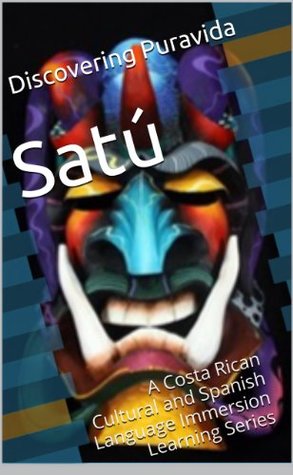
Satú (A Costa Rican Cultural and Language Immersion Series Book 1)
Costa Rica History and Culture LusterHistory [2020]
Traditions and Customs Only Costa Ricans - Culture Trip
About Costa Rica - learn Costa Rica facts, history and culture
Traditions and Culture in Costa Rica - International Living
More Costa Rican Culture and Tips, A Quick Guide for Tourists
Costa Rica: Tourism, Culture and Green Economy.
Costa Rica in Focus: A Guide to the People, Politics and
Festivals and Cultural Celebrations in Costa Rica - Tour
People and Culture of Costa Rica — costarica-information.com
Arts and Culture of Costa Rica
COSTA RICAN HISTORY AND TRADITIONS
Marrying a Costa Rican, Residency and Cultural Differences
Costa Rica Forums: The culture and the people of Costa Rica
Culture and Social Development - Costa Rica
Culture Shock and Cultural Adjustment Costa Rica
Costa Rica Guide: Customs and etiquette, The Costa Rican way
Costa Rica's Tico Society and Culture. Religion, People
Costa Rica Festivals and Cultural Events - Aventuras Tierra Verde
The following article addresses some sterotypes and contains a variety of opinions that may not be popular. At no time are we saying that every costa rican is if you are offended by some honest advice and cultural differences buzzfeed comes out with a new article every hour.
Costa rican culture has been heavily influenced by spanish culture ever since the spanish colonization of the americas including the territory which today forms costa rica. Parts of the country have other strong cultural influences, including the caribbean province of limón and the cordillera de talamanca which are influenced by jamaican.
The costa rica afro caribbean culture began when people were brought to costa rica by spanish conquistadors as slaves. It is a blend of the creole language, and a unique costa rican version of music, dance and cuisine.
San jose became a cultural center, and the world’s best performers began to include costa rica on their western hemisphere tours. This edifice is well worth visiting when you are in san jose, and if there is a performance scheduled, so much the better---tickets are very cheap, making the performances available to everyone.
A much better overview of the country's geology, politics, economy, immigration, agriculture, ecological convservation, and social history is the coffee-table book, costa rica� the last country the gods made. I mean, just look at the cheesy cover of costa rica in focus!.
Puerto rican culture is somewhat complex - others will call it colorful. Culture is a series of visual manifestations and interactions with the environment that make a region and/or a group of people different from the rest of the world. Puerto rico, without a doubt has several unique characteristics that distinguish our culture from any other.
The oxcart (carreta) is a symbol of costa rican culture and history. They were constructed to transport coffee beans from the central valley and highlands to puntarenas on the pacific coast. The wheels were developed to carry the beans over muddy terrain for periods of up to 15 days.
The residents in rural costa rica adhere more closely to traditional cultural values. Both rural and city dwellers make concessions for visitors to their country. 5 million people of costa rica are very polite and extend a warm welcome to visitors. In many ways, their lives are similar to many other western countries.
Costa rica is famous for its natural beauty and friendly people, rather than its culture. Ticos consider san josé to be the cultural center of the country, and it is here that the most important museums are found. It is also the center of a thriving acting community, and theater is one of the favorite cultural activities in costa rica.
One tradition that is ingrained in ticos is that they are especially friendly and hospitable towards foreigners and often invite them to family gatherings or celebrations. In colonial times, costa rica was highly influenced by spanish traditions.
Costa rica history and culture costa rica history and culturethe first european explorer to face costa rica was christopher columbus, the great navigator himself. The day was september 18, 1502, and columbus was making its fourth and final trip to the new world.
By the incas from south america and the aztecs from north america, costa rican culture is predominantly influenced by spain. Christopher columbus “discovered” and named costa rica in 1502.
Slideshare uses cookies to improve functionality and performance, and to provide you with relevant advertising. If you continue browsing the site, you agree to the use of cookies on this website.
The basilica de la virgen de los angeles is one of costa rica’s most significant architectural and cultural treasures. And so the colony survived, always poor in material wealth, largely in isolation from the rest of central america and europe, but developing its own unique character and strengths.
Traditions and culture in costa rica costa rica is noted more for its natural beauty, with long stretches of deserted beaches, dense jungles teeming with exotic wildlife, and lush green valleys, than it is for its culture.
Costa rica 13 as promoters of development, and there is a growing consciousness on the need of actively incorporating youth in these endeavors” costa rica recently held the bynd2015 global youth summit and had over 3,000 online followers that contributed ideas using social media in 25 different countries.
Costa rica is a country located in central america and, like many of the latin countries, it presents several and important events or celebrations that reflect the culture and feelings of the costa rican people. Many of these celebrations also show the beliefs and ideologies of its populations, especially with the religious festivities.
Costa rica never had a thriving indigenous culture such as the empires of the mayan, aztec or inka people. The native people were culturally influenced by mesoamerican tribes from central america and cultures from northern south america (mostly today's colombia).
The costa rican diet is based on rice, beans, tortillas or bread, fried plantains, and strong black coffee. Olla de carne, the traditional stew, is made with beef, potatoes, corn, plantains, squash, yucca, and other vegetables. Other popular main dishes include paella and zarzuelas (spicy seafood stews).
The city is the site of the university of costa rica (1940), the oldest and most diverse of san josé’s four public universities. Costa rica’s stability and democratic reputation attract sizable numbers of foreign students to these universities and to the numerous private universities scattered throughout san josé.
Costa rica’s well-populated heartland, formed in and around the upland basin known as the valle central or meseta central, is devoted to the cultivation of coffee, one of the country’s most important exports. In the region’s outlying reaches, bananas—the principal export—are grown.
Culture costa rican culture is a vibrant blend of indigenous heritage and spanish colonial influence, with a dash of jamaican, chinese, and other immigrant cultures lending character and customs. The result is a nation of laid-back, friendly, and happy people.
Dance is an indispensable part in the life of every costa rican. Almost each and every costa rican, regardless of their age, social status and religion, loves to dance.
Tourists from all over the world regularly come to costa rica for discovering its natural wonders. Our country is synonymous with protected areas, beaches, palm trees, forests and volcanoes. 03% of the world’s land surface and is home to 6% of the planet’s biodiversity.
The most popular sport is soccer and national team matches are widely-viewed events. San josé, the capital city, is a hub of costa rican culture with a growing network of theatres and museums. It's a modern city with bustling commerce and unique expressions of art and architecture.
Spanish is the official language with an estimated 10% of the population knowing english. Costa rica elected its first female president laura chinchilla in 2010. Costa rica’s flag reflects both the culture and geography of the country.
Costa rica is known for being rich in biodiversity, and also in the cultural aspect. There has been a gradual loss of cultural diversity ever since christopher columbus arrived to costa rican land. It is believed that mesoamericans were the first to step into costa rica. After the land was discovered, then it was when it began to be colonized.
The richness of costa rica stems from the cultural diversity of its people.
Best traditional costa rican dishes generally, costa rican cuisine is not well regarded. The diet is dominated by beans and rice, and in many restaurants, the servings are bland and uninspired.
The cultural activity in costa rica has only begun to flourish in the last 100 years, due to a historical european influence erasing most of the indigenous culture. This leads to the country being noted more for its natural beauty and friendly people than for its culture.
From the start of the pandemic, restrictions threw travel plans, lives, and industries into chaos. The world then tried to reopen as the covid-19 numbers dropped.
There are a great deal of customs, traditions, and even vocabulary that is endemic to costa rica, and natives are proud of their heritage, roots and history. As a visitor, there might be actions and words that come across as rude, offensive, or bizarre, but in reality are polite, endearing, and part of the nation’s fabric.
Satú was never hurt in battle while he wore the medallion; in battle, quetzals protect the boruca. One day while satú was unprotected, his uncle killed him in the forest, but a quetzal flew down and sat over satú’s body. Later, it flew away to live in the mountains where it stayed forever, carrying satú’s spirit.
Costa rica is one of the best places for this, especially for students studying latin american culture and spanish! in this article, we’ll provide some background on authentic cultural immersion in costa rica as well as some cultural immersion project ideas and activities that will leave a lasting impact on your students.
Costa rica is the place to experience the easy-going pace of pura vida – the pure life. This popular travel destination is the eco-adventure capital of central america. Visitors will love the diversity of outdoor activities – one day zip lining the rainforest canopy and another surfing the reliable breaks of nosara.
Costa rica cultural groups of course, costa rica is more than just light-skinned mountain farmers. Eight indigenous groups are scattered throughout the country, and a vibrant afro-caribbean population lives along the caribbean coast.
The people of costa rica, who call themselves ticos, are famous for their cheerful outlook, their conflict-averse nature and their laid-back approach to life. These cultural traits, combined with the country’s relatively high standard of living, have led some researchers to conclude that costa rica is the “happiest country on earth.
The costa rican culture is vibrant and highly influenced by mainly roman catholic religion like the rest of latin america. Spanish is the dominant language even though english is widely spoken along the caribbean coast and among the younger population.
Around that time, coffee became an all-important export and source of national wealth; bananas, introduced in 1871, also became a major export crop.
The culture of costa rica incorporates many people’s customs including indigenous peoples, the spanish founders, former black slaves and the many “white” or european settlers. Officially called the republic of costa rica, it is the longest standing democracy in south america.
The most famous national landmarks in costa rica take you on a whirlwind tour through the country’s long and illustrious history, showcasing the fact that costa rica is as rich in cultural and historical treasures as she is in nature-filled ones.
Quartz is a guide to the new global economy for people in business who are excited by change. We cover business, economics, markets, finance, technology, science, design, and fashion.
The costa rican culture is vibrant and highly influenced by mainly roman catholic religion like the rest of latin america. Spanish is the dominant l anguage even though english is widely spoken along the caribbean coast and among the younger population.
Costa rica may not possess the impressive architecture of the mayans or aztecs, yet it does cement its place in history as a cultural and economic hub during pre-columbian times. Costa rica was a spanish colony for almost 300 years until declaring independence in 1821.
The costa rican parents of your bride are not looking forward to anything expensive from you as gifts, but they will be delighted if you bring something to the table or something nice for each of them. Weddings are an integral part of costa rican culture, and here are their 5 most important traditions.
In archaeological terms, boruca (and all of costa rica) lies in the culture area known as the intermediate zone (after willey, 1971) or circum-caribbean culture area (after steward, 1949). It is called the intermediate area because of its location between the two areas of highest new world culture: mesoamerica and peru (22 willey).
However, there is a costa rican dating culture, and this means that there are certain rules you need to follow to win a local lady’s heart.
Lung cancer remains the most commonly diagnosed cancer and the leading cause of cancer death worldwide because of inadequate tobacco control policies.
If you made it to this page, it is because you either live here now or are perhaps considering a move to costa rica and you are smart enough to know that you may well experience culture shock when living away from your home country.
Guide to travel, doing business, and studying in costa rica- culture, greetings, gestures, etiquette, taboos, negotiations, gift-giving, and more. Follow us a community built resource for cross-cultural etiquette and understanding.
Post Your Comments: